
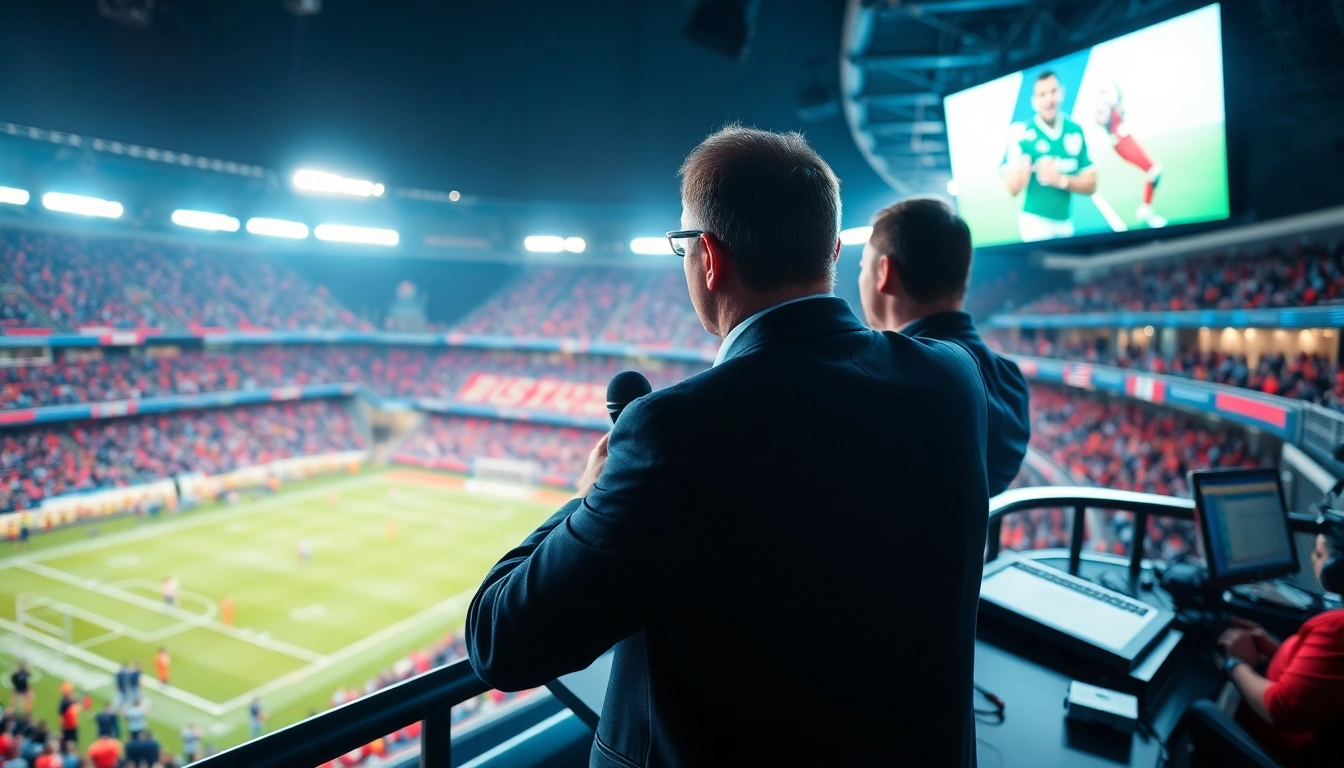
Introduction to Sports Broadcasting
Sports Broadcasting is an integral part of the sports ecosystem, bringing not only the thrill of live events to audiences worldwide but also shaping how fans engage with their favorite sports. As technology advances, the field of Sports Broadcasting evolves, offering more dynamic, interactive, and immersive viewing experiences. This article will explore various aspects of sports broadcasting, from its history and key roles to the essential equipment and techniques that make it possible. We will also discuss analytics for understanding audience engagement and the future trends that promise to reshape the landscape of sports broadcasting.
Understanding Sports Broadcasting Industry
The sports broadcasting industry encompasses the live coverage, analysis, and dissemination of sports events and related content through various media platforms. This dynamic industry operates at the intersection of sports, media, and technology, playing a pivotal role in how sports are consumed today. With an array of platforms such as television, radio, and online streaming services, sports broadcasting extends its reach to cater to a global audience.
As sports entities seek to maximize engagement, understanding the intricacies of sports broadcasting becomes essential. The joys and sorrows witnessed on the field resonate with viewers, tied intrinsically to how well those moments are communicated through broadcasts. For aspiring professionals, comprehending the entire industry's structure—from production to delivery—is vital in making their mark.
Key Roles in Sports Broadcasting
The sports broadcasting process involves various roles that work collectively to deliver a polished product. Key roles include:
- Producers: Responsible for planning, organizing, and coordinating broadcasts, ensuring everything runs smoothly.
- Cameramen: Capture the action, using advanced techniques to highlight critical moments and angles in real time.
- Commentators/Analysts: Provide live commentary, analysis, and insights, enhancing the viewing experience with context and narrative.
- Writers: Develop scripts, summaries, and promotional content that accompany broadcasts, ensuring coherence and professionalism.
- Technical Staff: Handle the technology behind broadcasts, managing audio, video, and connectivity issues while ensuring high-quality transmission.
Each role is foundational, contributing significantly to the overall viewer experience. The interplay among these professionals creates an engaging atmosphere for audiences, making the game come alive even when viewed from afar.
Evolution of Sports Broadcasting
The evolution of sports broadcasting reflects changes in technology, consumer behavior, and cultural shifts. Initially, broadcasts commenced with radio, providing auditory coverage of sports events. This gradual transition saw television take center stage in the mid-20th century, allowing for visual representation of live games, enhancing the fan experience.
The late 20th and early 21st centuries marked significant innovation, introducing cable networks and satellite television, which expanded access to diverse sports content. The rise of streaming platforms has been a game-changer, enabling viewers to watch their favorite sports from various devices at any time. Today, the industry is embracing virtual realities and interactive broadcasts, creating a more immersive experience. Such transformations illustrate the industry's adaptability and responsiveness to technological advances and audience preferences.
Essential Equipment for Sports Broadcasting
Audio and Visual Tools
High-quality audio and visual tools are paramount in delivering a successful sports broadcast. The demand for clarity and precision in both sound and visuals enhances viewer engagement. Essential equipment includes:
- Cameras: High-definition cameras with fast frame rates capture rapid movements, improving the clarity of on-field action.
- Microphones: Directional and lavalier microphones ensure commentators and interviewees are heard clearly without background noise interference.
- Video Switchers: These devices allow producers to switch feeds and maintain a coherent viewing experience through various camera angles.
Investing in the right tools not only improves production value but also establishes a credible broadcasting reputation. Proper sound and picture quality are expectations that modern audiences not only crave but require.
Networking and Broadcasting Technologies
The backbone of any successful sports broadcast lies in its networking technology. High-speed internet connections and reliable wireless technologies form the foundation of modern broadcasting. Today, technologies such as IP-based broadcasting and cloud services ensure flexibility, allowing broadcasts to happen from virtually anywhere.
Moreover, technologies like Remote Production Units (RPUs) simplify logistics and reduce costs significantly. By relying on fiber connectivity and internet data transfer, broadcast teams can conduct remote broadcasts with minimal hardware, streamlining the production process. Adopting these contemporary technologies can greatly enhance efficiency and create more opportunities for innovation in sports broadcasting.
Choosing the Right Cameras and Microphones
Choosing the right cameras and microphones is crucial for effective sports broadcasting. Factors to consider include:
- Resolution: High-definition (HD) cameras are standard; however, 4K and even 8K cameras are becoming more prevalent with increasing viewer expectations.
- Frame Rate: Higher frame rates capture fast action more clearly, which is essential for sports.
- Microphone Types: Shotgun microphones excel in focusing on specific sound sources, while wireless microphones offer mobility to presenters and reporters.
When investing in equipment, balancing quality and budget is vital. Selecting tools that meet professional standards, while considering future advancements, will ensure longevity and adaptability in the fast-evolving landscape of sports broadcasting.
Techniques for Effective Sports Broadcasting
Preparing for Live Broadcasts
Live broadcasts demand thorough preparation to ensure a seamless viewing experience. Preparation techniques include scouting locations for optimal camera placements, conducting pre-game interviews, and developing a clear broadcast plan. Producers must establish a detailed rundown that outlines segment timings, major highlights, and technical cues. This level of planning is instrumental in meeting broadcast deadlines and maintaining natural transitions during live games.
Rehearsals are invaluable for technical teams, allowing them to troubleshoot potential issues in advance. Familiarizing all personnel with the live broadcast’s flow minimizes the risk of surprises, ultimately leading to a polished final product.
Engaging with the Audience
Engagement is vital in sports broadcasting. Commentators can achieve this by employing a dynamic tone that reflects the event's excitement and by using relatable language that resonates with fans. Employing storytelling techniques, such as sharing historical anecdotes or player backgrounds, deepens audience connection and enriches the viewing experience.
Interactive elements, such as live polls or social media integration, can also cultivate engagement by inviting viewer opinions and feedback during broadcasts. This approach not only increases viewer investment but perpetuates conversations that extend beyond the game itself.
Enhancing Storytelling in Commentary
Effective storytelling is a cornerstone of engaging sports commentary. Commentators should strive to craft narratives around athletes, teams, and pivotal moments that add depth to the event's coverage. Techniques include:
- Contextualization: Providing background information that enriches the viewer's understanding of the significance of a moment.
- Descriptive Language: Using vivid language to portray the action in a way that allows listeners to visualize the events clearly.
- Emotional Resonance: Tapping into the emotions surrounding athletes and teams at key moments can significantly enhance viewer investment.
By elevating commentary beyond play-by-play recaps, broadcasters can create memorable experiences that resonate with fans long after the final whistle.
Understanding Audience Analytics in Sports Broadcasting
Measuring Audience Engagement
In today’s data-driven world, measuring audience engagement is essential for understanding viewer preferences and improving content accordingly. Key metrics include viewership numbers, social media activity, and audience retention rates. By analyzing these metrics, broadcasters can identify trends and tailor content to match audience interests and feedback.
Utilizing analytics tools can streamline the evaluation of diverse viewer demographics, allowing for targeted marketing and personalized viewer experiences. This data-driven approach encourages innovation and adaptability in content production, ensuring broadcasters remain relevant and ahead of the curve.
Evaluating Broadcast Performance Metrics
Evaluating broadcast performance metrics plays a crucial role in assessing the success of sports broadcasts. Metrics may encompass ratings, revenue generated from advertisements, and audience reach across different platforms. By comparing performance metrics against historical data, broadcasters can identify strengths and weaknesses in their programs.
These evaluations not only inform content strategies but also aid in refining production techniques and focusing on brand partnerships that yield higher ROI. Through constant analysis and recalibration, broadcasters can enhance both user experience and profitability.
Utilizing Feedback for Improvement
Listener and viewer feedback is invaluable in shaping effective sports broadcasts. Encouraging audience input through surveys and social media channels allows broadcasters to gain insights into viewer satisfaction and areas needing improvement. By systematically analyzing feedback, producers can make informed adjustments to content, delivery styles, and interactive features.
Implementing constructive feedback fosters a sense of community between broadcasters and their audience, as fans recognize their input shapes future broadcasts. Cultivating this symbiosis can help broadcasters evolve comprehensively according to audience desires.
Future Trends in Sports Broadcasting
Impact of Digital Innovation
The impact of digital innovation on sports broadcasting is profound. The shift to digital platforms enables broadcasters to reach wider audiences while providing greater flexibility in content consumption. The rise of on-demand viewing allows fans to engage with sports content at their convenience, leading to more personalized viewing experiences.
The incorporation of podcasts and online highlights has also democratized content creation, allowing fans and aspiring reporters to contribute to the broader conversation around sports. This proliferation of content encourages diverse perspectives and fosters a rich tapestry of sports coverage.
Integration of Augmented Reality
Augmented reality (AR) is revolutionizing the viewer experience in sports broadcasting. By overlaying digital information on live broadcasts, AR enhances viewer engagement. For example, graphics that display player statistics during live play or augmented replay features allow viewers to see the game from multiple perspectives.
The potential of AR extends into advertising, offering brands innovative ways to interact with audiences. As AR technology continues to evolve, its implementation in sports broadcasting promises to create an even more immersive spectator experience.
Growing Importance of Social Media
Social media's role in sports broadcasting continues to grow, providing a platform for real-time interactions. Broadcasters can leverage social media for promotional purposes, enhancing engagement through content sharing and audience interaction during live events. Platforms like Twitter and Instagram allow instant communication, prompting discussions around game highlights, player performances, and predictions.
Moreover, social media serves as a valuable tool for gathering audience insights and preferences, helping broadcasters tailor content strategies accordingly. Interactive experiences on these platforms, such as live chats or curated feeds, may further elevate the viewer experience in sports broadcasting.
FAQs
What is Sports Broadcasting?
Sports Broadcasting involves the live coverage and dissemination of sports events through television, radio, or digital platforms, enhancing audience experience and engagement.
What roles are involved in Sports Broadcasting?
Key roles include producers, cameramen, commentators, technical staff, and writers, all of whom collaborate to deliver a comprehensive broadcast experience.
How has technology evolved in Sports Broadcasting?
Technology has evolved from radio broadcasts to high-definition television, live streaming, and now incorporates augmented reality and digital interactions, reshaping viewer experiences.
What are the essential tools for Sports Broadcasting?
Essential tools include high-definition cameras, microphones, video switchers, and reliable networking technologies that ensure quality audio and visual experiences.
How can audience feedback improve broadcasts?
Audience feedback can identify viewer preferences, enhance content quality, and inform future broadcast strategies, fostering a stronger connection between broadcasters and fans.