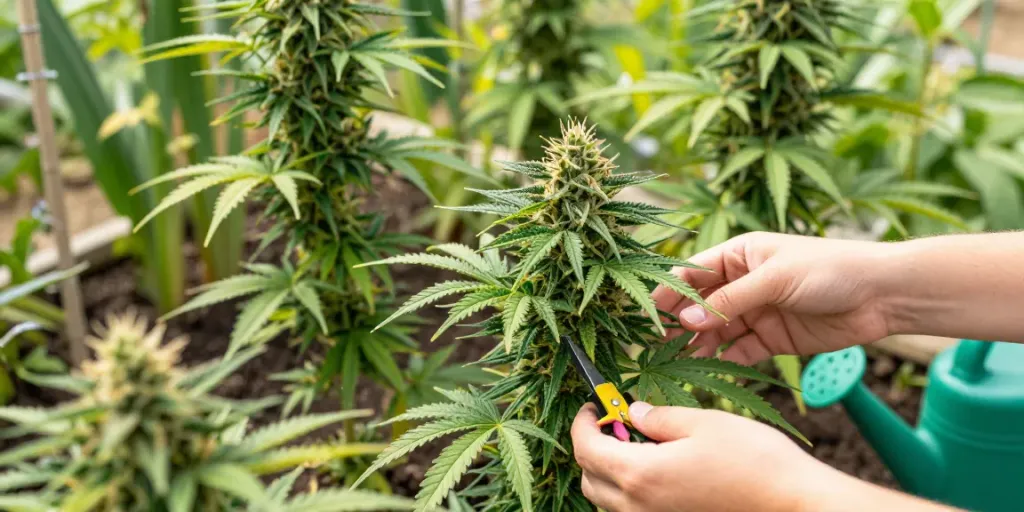
Understanding Autoflower Cannabis Seeds
Autoflower cannabis seeds have revolutionized the cultivation landscape for both novice and experienced growers. Known for their unique ability to flower irrespective of light cycles, these seeds allow for a faster, more flexible growing experience. Unlike traditional photoperiod strains that require specific light schedules to induce flowering, autoflower genetics transition into bloom based on maturity. This unique trait comes from their ancestry linked to Cannabis ruderalis, a hardy species capable of thriving in diverse conditions. As the popularity of autoflowers soars, many enthusiasts are exploring where to buy high-quality autoflower cannabis seeds to kickstart their cultivation journey.
What Are Autoflower Cannabis Seeds?
Autoflower cannabis seeds are a specific type of cannabis seed that flowers automatically with age rather than by a change in lighting. Typically, these seeds are hybrids that combine the desirable traits of Cannabis sativa or Cannabis indica with the day-neutral flowering characteristics of Cannabis ruderalis. This genetic blend results in plants that begin flowering within 8 to 10 weeks from germination, significantly reducing the time from seed to harvest compared to regular or feminized strains. This characteristic is particularly appealing to those looking to optimize their growing cycles and maximize yields in limited time frames.
Characteristics of Autoflower Seeds
Several attributes define autoflower cannabis seeds:
- Growth Cycle: Autoflower strains have a shorter growth cycle, typically completing their lifecycle in about 8 to 12 weeks, depending on the specific strain.
- Size: While many autoflower strains tend to be smaller and more compact, they can still produce robust yields.
- Light Requirements: These plants do not require a specific light schedule to flower, making them more versatile for indoor and outdoor cultivation scenarios.
- Yield: Autoflowering varieties can offer comparable yields to their photoperiod counterparts, especially with advancements in breeding techniques.
History and Evolution of Autoflowering Varieties
The journey of autoflower cannabis seeds began with the discovery of Cannabis ruderalis in Central Asia. This variety has evolved to adapt to harsh climates, flowering based on age rather than light. In the following decades, breeders began crossbreeding ruderalis with more popular strains to enhance cannabinoid content and flavor profiles. This breeding has led to modern autoflower strains that possess improved potency, yields, and overall resilience, allowing them to thrive in a variety of growing conditions.
Benefits of Growing Autoflower Cannabis Seeds
Choosing to grow autoflower cannabis seeds presents numerous advantages, particularly among those new to cultivation or those wanting to maximize harvests in limited spaces.
Quick Turnaround Times for Growers
One of the standout benefits of autoflowers is their rapid growth cycle. With the ability to move from seed to harvest in just a few weeks, growers can benefit from faster production rates. This is particularly advantageous for those looking to grow multiple harvests in a single outdoor season or for indoor growers seeking quicker turnover between cycles.
Ideal for Indoor and Outdoor Cultivation
Autoflower varieties are well-suited for both indoor and outdoor cultivation due to their compact growth and adaptability. For outdoor growers, their resilience allows them to thrive in various climates, and they can be planted successively to ensure a staggered harvest. Conversely, indoor growers appreciate the ease of managing light cycles and the reduced risk of light-related issues compared to photoperiod plants.
Ease of Growing for Beginners
For novice cultivators, autoflower cannabis seeds provide a user-friendly introduction to growing. Their straightforward nature, requiring minimal adjustments to light schedules or complicated growing techniques, makes them an ideal choice for those who may feel intimidated by traditional strains. Furthermore, the shorter lifecycle and robust genetics contribute to a greater success rate, boosting confidence in inexperienced growers.
Comparing Autoflower, Feminized, and Regular Seeds
Understanding the differences between autoflower, feminized, and regular seeds is crucial for making informed decisions about your cannabis cultivation.
Flowering Behavior Differences Explained
As mentioned, autoflower cannabis seeds initiate flowering based on their age instead of light exposure. This contrasts sharply with feminized seeds, which require specific light conditions to flower and are bred to ensure that all plants are female. Regular seeds can produce both male and female plants, offering breeders the chance to produce seeds for future cultivation.
Yield and Potency Comparisons
When comparing yields, autoflowers typically produce slightly lower amounts than feminized or regular photoperiod strains. However, advancements in breeding have enhanced the potency and cannabinoid profiles of many autoflower varieties, making them competitive options for serious growers. The key is to choose high-quality seeds with proven lineage to maximize yield and potency.
Choosing the Right Type for Your Needs
The ideal seed type depends on various factors such as space, experience level, and desired outcomes.
- If you're a beginner seeking a low-maintenance growing experience, autoflowers are a great choice.
- For those prioritizing maximum yield and potency, feminized seeds may offer advantages.
- Experienced growers aiming to breed or experiment may prefer regular seeds.
Best Practices for Growing Autoflower Cannabis Seeds
To achieve the best results with autoflower cannabis seeds, adhering to certain best practices is beneficial.
Optimal Growing Conditions and Environment
Creating the right environment is crucial for the healthy development of autoflowering plants. Ideal conditions often include:
- Temperature: Maintain a consistent temperature between 68°F and 77°F (20°C to 25°C).
- Humidity: Aim for around 40-60% humidity during the vegetative phase, decreasing to 40% during flowering.
- Soil: Use well-draining soil with good organic matter to promote healthy root development.
Watering and Nutrient Guidelines
Proper watering techniques are essential. Overwatering is a common mistake among beginners. It is advisable to let the top inch of soil dry out before the next watering. Additionally, autoflowers generally require lighter nutrient loads than photoperiod strains. Starting with a balanced, low-strength nutrient solution is recommended, gradually increasing as the plant matures.
Light Schedules and Phases of Growth
Indoor growers typically use a light cycle of 18-24 hours of light per day during the growth phase. Autoflowers thrive in consistent light, and many growers prefer to keep them under continuous light to maximize growth. Outdoor growing allows for natural sunlight exposure, where the plants can benefit from sunlight intensity and UV rays.
Future Trends in Autoflower Cannabis Cultivation
The future of autoflower cannabis cultivation appears bright, with several emerging trends likely to shape the industry.
Emerging Breeding Techniques and Genetics
Innovations in breeding techniques are paving the way for new auto strains with enhanced traits. Breeders are continually working on hybrids that offer better yields, resilience to pests, and a wider variety of cannabinoid profiles. The focus is also shifting towards organic and sustainable practices in breeding to meet consumer demand for environmentally-conscious growing.
Pest Management Innovations
As the market for cannabis cultivation expands, so does the need for effective pest management strategies. Integrated Pest Management (IPM) techniques, which utilize biological controls and environmentally safe pesticides, are becoming increasingly popular among growers looking to maintain healthy crops without resorting to harsh chemicals.
Market Predictions for 2026 and Beyond
As we look ahead to 2026, the demand for autoflower cannabis seeds is expected to grow significantly. Consumers are becoming more informed and selective about their choices, with a greater emphasis on quality and sustainability. This shift will likely drive innovation in breeding and cultivation practices, leading to a broader diversity of autoflower strains available in the market.
What Are the Top 10 Strongest Autoflowers?
In the realm of autoflowering cannabis, several strains have garnered attention for their strength and potency. Popular contenders often include:
- Cinderella Jack Auto
- Gorilla Glue Auto
- Royal AK Auto
- Blueberry Auto
- White Widow Auto
- Girl Scout Cookies Auto
- Critical 2.0 Auto
- Orange Sherbet Auto
- Hindu Kush Auto
- Amnesia Haze Auto
How Much Can One Autoflower Yield?
While yields can vary depending on the strain and growing conditions, autoflower plants generally produce between 2 to 6 ounces per plant when grown under optimal conditions. Factors such as light, nutrients, and the plant's overall health heavily influence yield outcomes.
What Is the Best Autoflowering Strain for Yield?
Some of the best autoflowering strains for yield include Royal Gorilla Auto, which is known for its high yields and potent effects. Additionally, strains like Zkittlez Auto and Bubblegum Auto have also shown significant production capabilities while maintaining quality.
How Do You Grow Autoflower Seeds?
Growing autoflower seeds begins with selecting high-quality seeds from a reputable source. After germination, transplant them into suitable growing mediums and provide them with consistent light, water, and nutrients to support healthy growth. It’s essential to monitor environmental conditions and adapt care practices as the plant matures.