

The Science Behind CBD Oil for Skin
Understanding Cannabidiol and Its Properties
Cannabidiol, commonly known as CBD, is a non-psychoactive compound derived from the cannabis plant. Unlike its more famous counterpart, tetrahydrocannabinol (THC), CBD does not produce a “high” effect. Instead, it has gained significant attention for its potential therapeutic benefits, particularly for skin health. The properties of CBD include anti-inflammatory, antioxidant, and moisturizing capabilities, which make it a valuable ingredient in skincare. By interacting with the skin’s endocannabinoid system, CBD can help maintain skin balance and homeostasis.
Cannabinoid Interactions with Skin Receptors
The human skin is rich in cannabinoid receptors, primarily CB1 and CB2, which form part of the endocannabinoid system. These receptors interact with cannabinoids, influencing various biological processes such as inflammation and pain perception. When applied topically, CBD can bind to these receptors, helping modulate skin conditions by reducing inflammation and promoting hydration. This interaction highlights CBD’s potential as an effective solution for various dermatological issues.
Studies Supporting CBD Oil Efficacy in Skincare
Research has demonstrated the efficacy of CBD oil in skincare applications. A multitude of studies suggest that CBD can reduce sebum production, thereby decreasing the occurrence of acne. Furthermore, a systematic review indicated that topical CBD products may alleviate symptoms of psoriasis and eczema by mitigating inflammation and improving the overall skin barrier function. Such findings underscore the scientific foundation behind the use of CBD oil for skin.
Common Skin Issues Addressed by CBD Oil
Acne: Reducing Breakouts and Inflammation
Acne is one of the most prevalent skin conditions globally, affecting individuals of all ages. Traditional acne treatments often come with side effects, such as dryness and irritation. CBD oil presents a promising alternative due to its anti-inflammatory properties. Studies have shown that CBD can reduce the production of sebum—the oily substance produced by sebaceous glands—thus helping to prevent clogged pores. Additionally, its antibacterial properties may further prevent the growth of acne-causing bacteria, leading to clearer skin.
Dryness and Eczema: Moisturizing Benefits
Many people struggle with dry skin, particularly those with eczema, a chronic inflammatory condition. CBD oil has moisturizing properties that can hydrate the skin and alleviate symptoms associated with eczema, such as itching and redness. By enhancing the skin barrier function and providing essential fatty acids, CBD oil can help restore moisture levels, making it an effective option for individuals seeking natural relief from dry skin.
Psoriasis: Alleviating Redness and Scaling
Psoriasis is characterized by rapid skin cell turnover, leading to thick, scaly patches that can be red and inflamed. CBD oil’s anti-inflammatory effects may help slow down this excessive skin production and alleviate the symptoms associated with psoriasis. Research suggests that CBD could reduce redness and scaling, providing relief to those afflicted with this challenging condition.
How to Incorporate CBD Oil for Skin Into Your Routine
Choosing the Right Formulations for Your Skin Type
With various CBD products available, it’s essential to choose the right formulations for your skin type. For oily or acne-prone skin, lighter formulations such as CBD serums or gels are recommended as they are non-comedogenic and absorb quickly without adding excess oil. For dry or sensitive skin, richer formulations such as creams or balms can help deeply moisturize while providing the anti-inflammatory properties of CBD.
Effective Application Techniques for Maximum Impact
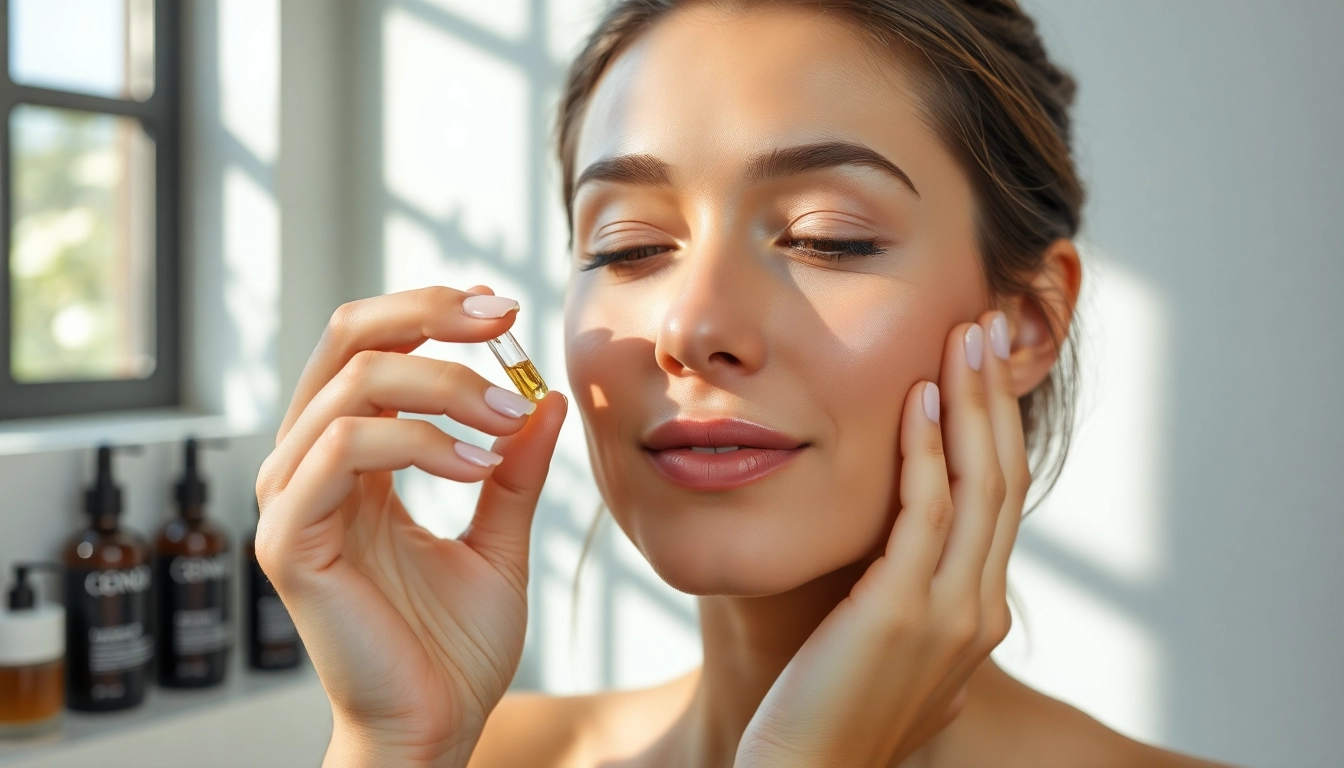
To maximize the benefits of CBD oil, proper application is crucial. Start by cleansing the skin to remove impurities, followed by a gentle exfoliation to promote product absorption. Apply CBD oil or your chosen product through a few drops, massaging it into the skin using circular motions. This not only facilitates better absorption but also enhances blood circulation, contributing to healthier skin. It’s advisable to apply CBD products on damp skin, as moisture helps seal in hydration.
Combining CBD Oil with Other Skincare Ingredients
CBD oil can be effectively combined with other beneficial skincare ingredients to enhance overall benefits. For example, pairing CBD with hyaluronic acid can amplify hydration, while combining it with soothing agents like chamomile or calendula can further reduce inflammation. Always perform a patch test when introducing new products to ensure that they work well together without causing irritation.
Potential Side Effects and Considerations
Understanding Sensitivities and Allergic Reactions
While CBD oil is generally considered safe, some individuals may experience sensitivities or allergic reactions. Symptoms such as redness, itching, or swelling can occur, particularly in those with pre-existing skin conditions. It’s crucial to start with a small patch test to observe how your skin reacts before introducing larger amounts into your routine. If a reaction occurs, discontinue use and consult a healthcare professional.
Consultation with Dermatologists: When to Seek Advice
If you have persistent skin concerns or are considering integrating CBD oil for skin into your treatment plan, consulting a dermatologist is advisable. They can provide personalized advice based on your skin type, concerns, and overall health, ensuring that you make informed decisions about your skincare regimen.
Regulatory Standards and Product Quality Assurance
The market for CBD products is expanding rapidly, yet not all products are created equal. Regulatory standards vary significantly, and it’s essential to choose products that are third-party tested for quality and purity. Look for CBD oil sourced from organic hemp, free from harmful pesticides or contaminants, and with clear labeling on potency and ingredients. Transparency from manufacturers is key to ensuring product safety and efficacy.
Future Trends in CBD Oil for Skin Care
Innovative Formulations on the Horizon
As consumer interest in natural skincare continues to grow, innovative formulations incorporating CBD will likely emerge. Expect advancements in delivery systems, such as nanotechnology, which enhances absorption and effectiveness. Additionally, combining CBD with other botanicals known for their skin benefits could provide unique and potent skincare solutions, appealing to a wide range of skin issues.
Consumer Demand and Market Growth Projections
The demand for CBD oil in skincare is on an upward trajectory, driven by increasing consumer awareness of natural ingredients and their benefits. As more studies validate CBD’s efficacy, market growth is anticipated to accelerate, leading to a wider variety of high-quality products. This trend suggests a shift in consumer preferences toward clean, plant-based skincare options, setting the stage for further innovation in the industry.
Integrating CBD into Holistic Skincare Regimens
The integration of CBD into holistic skincare regimens aligns with the growing emphasis on overall wellness. CBD’s potential to work synergistically with other holistic practices such as aromatherapy, mindfulness, and proper nutrition represents an attractive opportunity for consumers seeking comprehensive skin health solutions. It encourages a more mindful approach to skincare, emphasizing benefits beyond aesthetics.