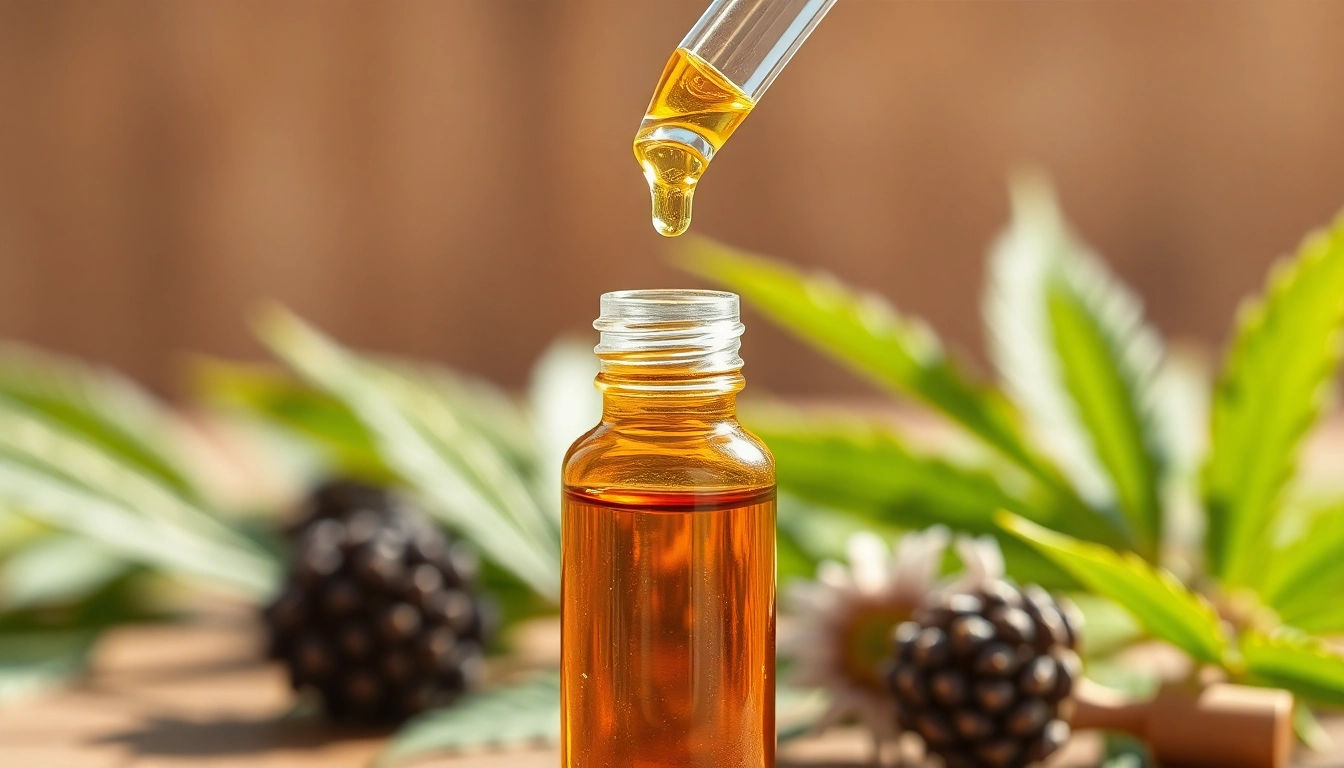
What is CBD and How Does it Work?
Defining CBD and Its Origins
Cannabidiol, commonly known as CBD, is one of the most prominent compounds found in the cannabis plant, alongside tetrahydrocannabinol (THC). Unlike THC, CBD is non-psychoactive, meaning it does not produce the “high” typically associated with cannabis use. Instead, it is celebrated for its potential therapeutic properties, which have garnered significant interest in both scientific and health circles.
CBD originates from both the marijuana and hemp varieties of cannabis. While marijuana contains higher levels of THC, hemp is characterized by its low THC content and rich array of CBD. Over the past few years, CBD has surfaced as a popular wellness option, available in various forms, including oils, capsules, edibles, and topical creams. The resurgence of research into the healing properties of cannabis has led to an expansion of our understanding of CBD and its applications.
How CBD Interacts with the Body
The body’s endocannabinoid system (ECS) is vital to understanding how CBD affects us. The ECS comprises receptors that interact with cannabinoids, influencing various physiological processes such as mood, appetite, sleep, and immune response. CBD primarily interacts with two types of receptors in this system: CB1 and CB2. CB1 receptors are primarily found in the brain and central nervous system and play a crucial role in regulating mood and motor skills, while CB2 receptors are located throughout the body and are involved in the immune response.
CBD is believed to enhance the levels of endocannabinoids naturally produced by our bodies, promoting balance and homeostasis. It has demonstrated potential in modulating pain perception, reducing inflammation, and managing anxiety, making it a compound of great interest for those seeking natural health solutions.
Common Misconceptions about CBD
Despite the growing popularity of CBD, several misconceptions persist about its use and effects. One of the most prevalent myths is that CBD causes a psychoactive high. As mentioned, CBD is non-psychoactive; its effects do not mimic or induce intoxication. Another common misconception is that all cannabis-derived products are the same. In reality, the therapeutic effects of CBD can significantly differ based on extraction method, product formulation, and concentration levels. Moreover, many people believe that CBD is entirely free from side effects, which is not the case. While generally well-tolerated, CBD can cause side effects in some people, including fatigue, changes in appetite, and digestive issues.
Potential Health Benefits of CBD
Relief from Anxiety and Stress
One of the most widely explored benefits of CBD is its potential to alleviate anxiety and stress. Studies suggest that CBD may positively affect serotonin receptors in the brain, a key player in mood regulation. For individuals suffering from anxiety disorders, PTSD, or generalized anxiety, CBD has become an appealing alternative to traditional pharmaceutical treatments.
Research has indicated that CBD can reduce anxiety levels in participants exposed to stressful situations, demonstrating a capacity to promote relaxation without impairing cognitive function. For those seeking to incorporate CBD into their daily wellness routine for anxiety management, it is essential to start with a low dose and adjust based on personal response.
Improving Sleep Quality with CBD
A common issue faced by many individuals is sleep disturbances, including insomnia and disruptions due to anxiety or chronic pain conditions. Anecdotal evidence and preliminary studies suggest that CBD may play a role in enhancing sleep quality and reducing insomnia symptoms. Exposure to CBD may help regulate sleep cycles by addressing underlying issues such as anxiety that contribute to restless nights.
For individuals exploring CBD to improve their sleep, considering the timing and method of administration can be crucial. Many prefer taking CBD in the form of oils or capsules before bedtime to help facilitate relaxation and ultimately promote better rest.
Possible Benefits for Chronic Pain Relief
Chronic pain conditions, such as arthritis or fibromyalgia, pose significant challenges for many individuals. The potential analgesic effects of CBD have been documented in various studies. By interacting with endocannabinoid receptors, CBD may modulate pain signals, offering a level of relief that can improve patients’ quality of life.
Many users report decreased inflammation and pain, particularly when using topical CBD products. The formulation can directly address localized discomfort while minimizing potential systemic effects, making it an attractive option for those reluctant to use traditional pain relief medications.
Understanding the Risks and Side Effects of CBD
Common Side Effects to Watch For
While many people tolerate CBD well, it is crucial to be aware of potential side effects. Commonly reported side effects of CBD usage include fatigue, diarrhea, changes in appetite, and dry mouth. Understanding your body’s response when first using CBD is essential, as individual reactions can vary significantly.
Consultation with a healthcare provider before starting any new supplement, especially for those on medication or with existing health conditions, is advisable to mitigate risks and ensure safety.
Who Should Avoid CBD?
Certain populations may need to exercise caution when considering CBD. Pregnant or breastfeeding women are generally advised to avoid CBD due to limited research on its safety during pregnancy. Additionally, individuals dealing with underlying conditions or those taking medications that could interact with CBD should consult with a healthcare professional. The potential influence of CBD on liver enzymes can affect metabolism and may require adjustment of other medications a patient is taking.
Regulatory Landscape for CBD Products
The regulatory landscape for CBD products varies widely across regions and can be complex. In some locations, CBD derived from hemp is legal and widely available, while CBD from marijuana remains restricted. The Food and Drug Administration (FDA) has expressed intent to regulate CBD products, particularly when it comes to food, cosmetics, and dietary supplements. Understanding local laws and regulations when purchasing or using CBD is crucial to ensure compliance and safety.
Choosing the Right CBD Product for You
Different Forms of CBD: Oils, Edibles, and More
CBD products come in numerous forms, each offering distinct advantages. CBD oils and tinctures are popular for their potency and ease of use, allowing for precise dosing. Edibles, including gummies and capsules, provide an alternative for those who prefer not to taste the oil. Additionally, topical creams and balms can be beneficial for localized applications, such as muscle stiffness or joint pain.
It is essential to consider personal preferences, lifestyle, and wellness goals when selecting a CBD product. Evaluating each form’s onset time, duration of effects, and convenience can lead to more satisfactory outcomes.
How to Choose Quality CBD Products
Selecting high-quality CBD products is paramount to ensure efficacy and safety. Potential buyers should look for products that provide third-party lab testing results, confirming the purity and concentration of the CBD. Transparency in sourcing practices and production methods also matters; choosing brands that utilize organic hemp and adhere to good manufacturing practices is essential for quality assurance.
Reading customer reviews and seeking recommendations can also help in identifying reputable sources. Additionally, understanding the difference between full-spectrum, broad-spectrum, and isolate formulations can guide consumers in making informed choices suited to their needs.
Dosage Recommendations for CBD
Finding the right dosage of CBD can be a personal journey, as it varies based on individual factors such as body weight, metabolism, and health conditions. A general guideline is to start with a low dose, typically around 5-10 mg, and gradually increase it until the desired effects are achieved. Tracking responses and noting any side effects or changes can assist in finding an optimal dosage. It’s advisable to consult a healthcare professional with experience in CBD use, particularly for those with specific medical conditions or who are pregnant or nursing.
The Future of CBD in Wellness
Current Research and Trends
Research into the health benefits and applications of CBD is ongoing and expanding rapidly. Emerging studies seek to explore its potential in treating conditions such as epilepsy, neurodegenerative diseases, and inflammatory disorders. The rising acceptance of CBD as a natural health alternative has also led to increased interest from pharmaceutical companies, paving the way for new products and formulations.
As research progresses, we can expect to see more evidence-based guidelines for CBD usage, informing practitioners and patients alike. The integration of CBD into holistic health practices is likely to deepen, encouraging innovative combinations with other therapeutic modalities.
The Role of CBD in Holistic Health
In the context of holistic health, CBD is viewed as a complement to traditional practices, promoting overall well-being. As part of a comprehensive wellness strategy, CBD can be utilized alongside dietary changes, exercise, mindfulness practices, and other natural remedies. Its adaptability in various health frameworks positions CBD to become an integral part of future holistic wellness approaches.
What to Expect from the CBD Market
The CBD market is predicted to continue its growth trajectory, fueled by ongoing consumer interest and evolving legislation. Innovations in product development, including new delivery methods and formulations, are likely to emerge. Additionally, as education around CBD expands, consumer trust in its benefits will likely increase, leading to more mainstream acceptance.
Ultimately, the future of CBD holds promise as a versatile component in health and wellness, with potential for impactful applications spanning various fields. As more individuals turn to natural alternatives, the integration of CBD with responsible practices may become a cornerstone in the journey towards improved health and overall well-being.
About the Author